

Water Quality
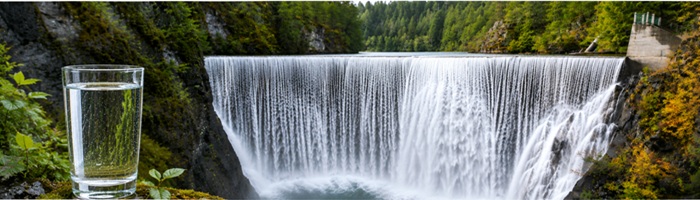
Testing includes regular monitoring for microbiological and chemical contaminants, disinfection by-products, and other water quality indicators. Results consistently demonstrate that Nanaimo’s drinking water meets all regulatory requirements.
Residents can view drinking water quality results submitted to Island Health through the Provincial Drinking Water Information System.
Island Health Drinking Water Sample Results
To view City of Nanaimo results, search for Nanaimo Water Works
Annual Quality Water Reports
Water Audits
In 2013, we completed our first water audit. Results indicated that the annual average single family residential water use in Nanaimo is 251 litres per person per day compared to the British Columbia average of 353 litres per person per day. Winter indoor water use identified an average of 198 litres per person per day. Residents interested in learning more about Nanaimo's water consumption and demands can view the presentation from the April 22, 2013 council meeting, or read the water audit final report.
In 2018, we completed our second water audit. We wished to see if improvements in the City's water supply and distribution system and a new Water Conservation Strategy over the previous five years had impacted businesses and residents water use. Results were very encouraging as the total water volume used dropped as did water losses. Also the annual average single family residential water use in Nanaimo fell to 222 litres per person per day.
Following additional water conservation measures by Nanaimo citizens, the 2024 average residential water use reduced to 179 litres per person per day.
FAQS
While water quality testing confirms that Nanaimo's drinking water is safe and meets regulatory requirements, residents may still notice changes in appearance, taste, or odor, or have questions about the City's water system.
Below are answers to some of the most common questions we receive.
-
What's This Pink Stuff in My Bathroom?
Many residents notice a pink, orange, or reddish film forming in toilets, showers, tubs, sink drains, or on tile grout.
In most cases, this is not caused by the City's drinking water. The discoloration is commonly caused by Serratia marcescens, a naturally occurring airborne bacteria that thrives in moist environments. It feeds on soap residue, shampoo deposits, and other organic materials commonly found in bathrooms.
Is it harmful?
Generally, no. The pink film is primarily a cosmetic issue and is not considered a drinking water quality concern.How can I prevent it?
- Clean bathroom surfaces regularly
- Keep showers, tubs, and sinks as dry as possible
- Use exhaust fans to reduce humidity
- Remove soap and shampoo residue from surfaces
-
Why Does My Water Look Cloudy or Milky?
Cloudy or milky water is often caused by tiny air bubbles trapped in the water.
This can occur due to temperature changes, watermain maintenance activities, or pressure fluctuations within the distribution system.
How can I tell if it's air?
Fill a clear glass with water and let it sit for a few minutes. If the water clears from the bottom upward, the cloudiness is caused by air bubbles and is completely harmless. -
Why Does My Water Sometimes Taste or Smell Different?
Changes in taste or odor can occur for several reasons, including:
- Seasonal changes in source water
- Temperature fluctuations
- Plumbing conditions within the home
- Temporary maintenance work on the water system
Nanaimo's drinking water is routinely tested to ensure it remains safe and meets all applicable water quality standards.
-
Why Is Chlorine Added to Drinking Water?
Chlorine is used to disinfect drinking water and protect public health by eliminating potentially harmful microorganisms.
A small amount of chlorine remains in the water after treatment. This is called a chlorine residual and helps maintain water quality as water travels through the distribution system to homes and businesses.
The City carefully monitors chlorine levels to ensure they remain within provincial drinking water guidelines.
-
Lead in Drinking Water
Lead is generally not found in Nanaimo's source water. When lead is detected in drinking water, it is typically the result of corrosion in older plumbing materials, fixtures, or service connections.
To help minimize potential exposure:
- Flush your taps: Run cold water for at least 30 seconds before using it for drinking or cooking if the water has been sitting unused for several hours.
- Use a certified filter: Choose a filter that is certified for lead reduction and follow the manufacturer's maintenance instructions.
- Use cold water only: Do not use hot tap water for drinking, cooking, or preparing infant formula, as hot water can increase the amount of lead that dissolves into water.
View the latest testing results:
-
Asbestos Cement Pipes
AC pipes were commonly installed across North America from the late 1940s to early 1970s. Nanaimo has been proactively replacing these pipes since the mid‑1990s, upgrading 4–5 km per year through our Asset Management Program.
The City of Nanaimo’s drinking water meets and exceeds all senior government regulations. All water samples collected to date, including those taken from areas served by AC pipes and following recent main break events, have tested negative or non‑detectable for asbestos.
View the latest testing results:
-
PFAS (Per- and Polyfluoroalkyl Substances)
PFAS are synthetic chemicals used in products like non-stick cookware and firefighting foam. They persist in the environment and may post health risks.
You can use filters to remove them such as activated carbon or reverse osmosis systems.
The City has independently undertaken PFAS testing initiatives, as PFAS remains a topic of significant interest and discussion among water utilities across North America. All correspondence and testing results related to PFAS are public records and have been published on the City's website.
Our raw water source, prior to treatment, is located within a protected watershed and is not impacted by wastewater discharges or other known human activities that could introduce PFAS into the water supply. The City's PFAS monitoring program is conducted to confirm the integrity of our source water and to demonstrate our commitment to responsible drinking water management and stewardship.
View the latest testing results: 2025 PFAS Testing Results
-
Why Are Watermains Flushed?
Watermain flushing is a routine maintenance activity that helps maintain water quality throughout the distribution system.
Flushing helps to:
- Remove sediment buildup
- Improve water clarity
- Maintain proper water flow
- Ensure hydrants and valves operate correctly
Will flushing affect my water?
You may notice temporary discoloration, cloudiness, or pressure fluctuations following flushing activities. If this occurs, run a cold water tap for several minutes until the water clears.For more information regarding water main flushing, see our Water Main Flushing page.
Contact Us
Last updated: August 11, 2026
Give feedback on accessibility. Submit your feedback through our online accessibility feedback form. Help us understand barriers people face when accessing City services.
You can attach files to help explain the barrier you faced in the form, like: a video, voice recording or photos. If American Sign Language (ASL) is the best way for you to communicate, upload a video of yourself using ASL into the form.
Please include: what you were trying to access, where the barrier happened, what the barrier was and any recommendations you might have.
Help us improve our website
Freedom of Information and Protection of Privacy Act Statement:
Information collected on this form is done so under the general authority of the Community Charter and Freedom of Information and Privacy Protection Act (FOIPPA), and is protected in accordance with FOIPPA. Personal information will only be used by authorized staff to fulfill the purpose for which it was originally collected, or for a use consistent with that purpose.
For further information regarding the collection, use, or disclosure of personal information, please contact the Legislative Services Office at 250-755-4405 or at foi@nanaimo.ca
-
Parks, Rec & Culture
- Recreation Facilities & Schedules
- Parks & Trails
- Trails
- Activity Guide
- Events
- Register for a Program
- Drop-In Schedules
- Public Art
- Culture
- Poetry
-
City Services
- Recycling, Compost and Garbage
-
Home & Property
- Change Your Address
- Damage/Injury Claims
- City Charges and Your Property Title
- Pre-Authorized Withdrawals (PAWS)
- Property Taxes
- User Rates
- Dog Licences
- Payment Options
- MyCity
- Water & Sewage
- Online Services
- Cemetery Services
- City Services Directory
-
Property & Development
- Urban Forestry
-
Building Permits
- Online Building Permit Application
- Building Permit Revision
-
Application for a Residential Building Permit
- Access (driveway) Permit
- Accessory Building Permit
- Alteration Permit
- Building Envelope Repair
- Carriage House
- Demolition Permit
- Fence or Retaining Wall Permit
- Geotechnical Reports
- Locate Permit
- New Construction Permit
- Plumbing or Services Permit
- Secondary Suite Permit
- Special Inspection Permit
- Swimming Pool Permit
- Woodstove Installation Info
- Green Home Initiatives
- Small-Scale Multi-Unit Housing (SSMUH) Permit
-
Apply for a Commercial Building Permit
- Access (driveway) Permit
- Commercial Alteration Permit
- Building Envelope Repair Permit
- Demolition Permit
- Fence or Retaining Wall Permit
- Geotechnical Reports
- Leasehold Improvement
- Locate Permit
- New Commercial Construction Permit
- Occupant Load Permit
- Signs Permit
- Special Inspection Permit
- Fees and Bonding
- Commercial Plumbing Permit
- Certified Professional Program
- Bylaws for Building
- Forms and Guidelines
- Book a Building Inspection
- Report Illegal Construction
- Request Building Plans
- Building Permit Statistics
- Permit Fee Calculator
- Building News and Alerts
- Fast Track Building Permits
- Development Information
- What's Building in my Neighbourhood
- NanaimoMap
- Development Cost Charges
- Community Planning
- Rebates
- Engineering Survey
- Land Use Bylaws
- Soil Removal and Depositing
- Sustainability
- Transportation & Mobility
-
Your Government
- Get Involved
- Government Services Guide
- News & Events
-
City Council
- Advocacy
- Contact Mayor & Council
- Council Meetings
-
Boards & Committees
- Advisory Committee on Accessibility and Inclusiveness
- Board of Variance
- Design Advisory Panel
- Finance and Audit Committee
- Governance and Priorities Committee
- Mayor's Leaders' Table
- Parcel Tax Roll Review Panel
- Special District 68 Sports Field and Recreation Committee
- Public Safety Committee
- Understanding Council Committee Structures
- Council Policies
- Mayor's Office
- Council Initiatives
- Proclamations
- Bastion Lighting Requests
- Flags at City Hall
- Alternative Approval Process
- Budget & Finance
- Records, Information & Privacy
- Elections
- Contacts
- Careers
- Maps & Data
- Projects
- Tourism Nanaimo
- Grants
- Awards
- Accessibility & Inclusion
-
Doing Business
- Economic Development
- Doing Business with the City
- Business Licences
- Filming in Nanaimo
- City Owned Property
- Encroachments onto City Property
- Liquor Licences
- Cannabis Retail
- Business Improvement Areas
- Procurement Services
- About Nanaimo
- Green Initiatives
-
Public Safety
- Social Development
- Public Safety Contacts
- Nanaimo Fire Rescue
- Emergency Management
- Police & Crime Prevention
- City Bylaws
- Community Safety and Wellbeing
- Emergency Services