
![ParksRec[WestwoodTrail]](/images/page-banners/parksrec-westwoodtrail.jpg)
LIGHTING A PATH
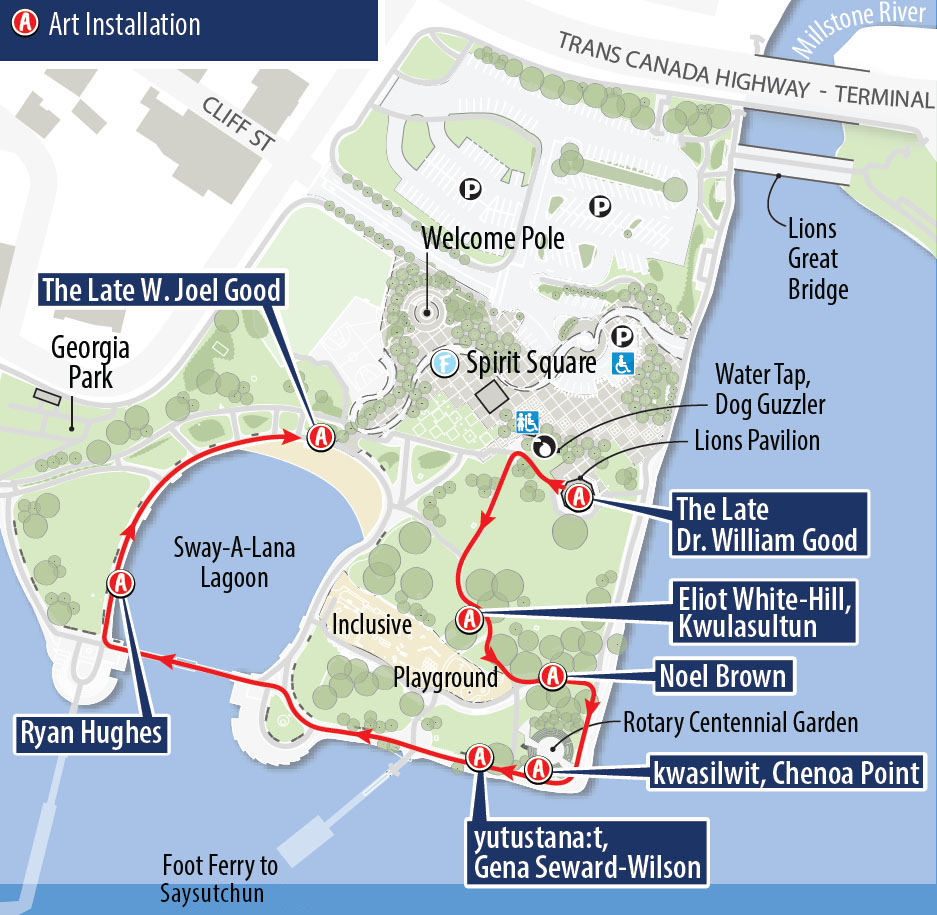
In partnership with Snuneymuxw First Nation, we invite you to join us in Sway-a-Lana (Maffeo Sutton Park) beginning February 16th and until March 16th as we honour the Land through a special 2026 art installation. Best viewed after dark, this illuminated display continues the spirit of the Luminous Paths festival and features artwork by the late Dr. William Good; the late Joel Good; Eliot White-Hill, Kwulasultun; kwasilwit, Chenoa Point; Noel Brown; Ryan Hughes; and yutustana:t, Gena Seward-Wilson.
Public Art Tour: Lighting a Path
Friday, March 13 | 6pm | FREE
Join us in Sway-a-Lana (Maffeo Sutton Park) for a free public tour of Lighting a Path, a special art installation honouring the Land featuring artwork by seven Snuneymuxw artists. This tour will include an opportunity to hear from several of the exhibiting artists. We will meet in Spirit Square (next to the washrooms).
ad06023c1b316d6b9fc9ff11001037d2.png "LIGHTING A PATH")
About the Art:
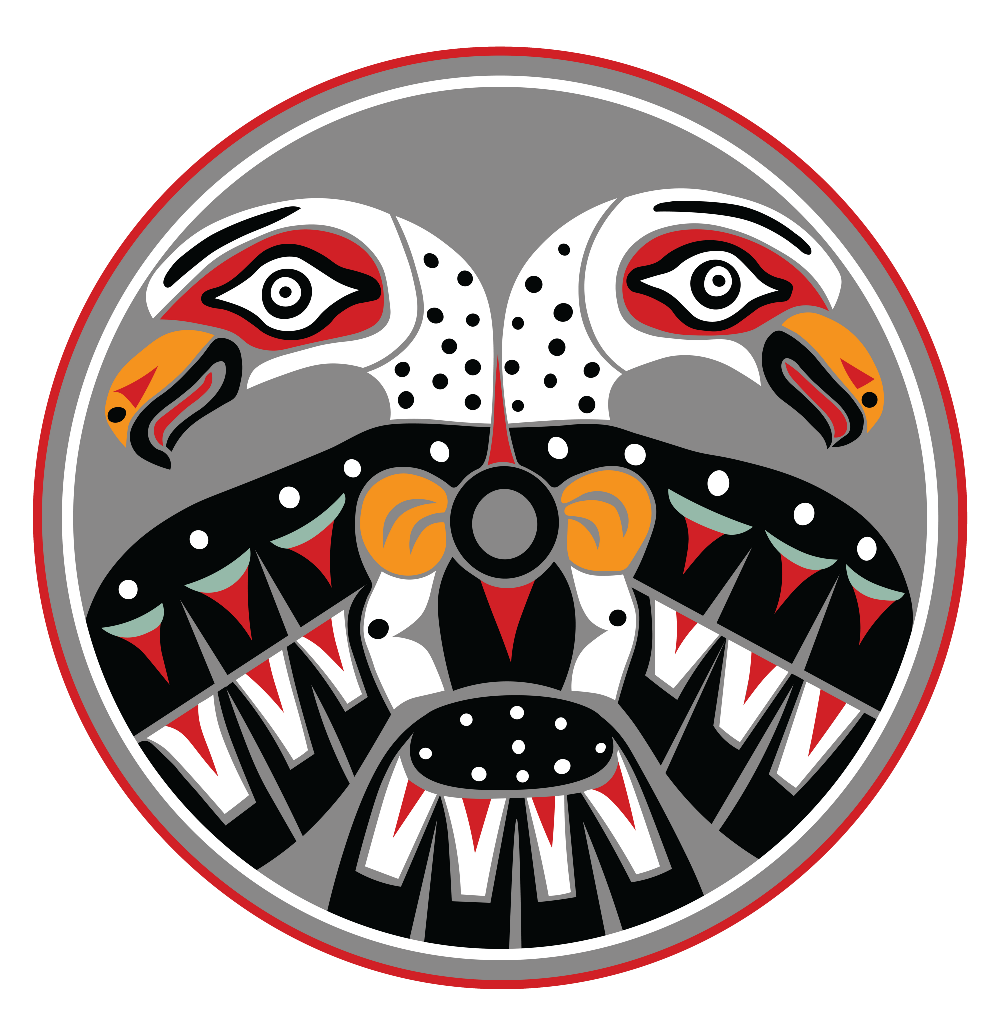
Spindle Whorl by The Late Dr. William Good
Historically used as a tool for spinning wool into yarn, the spindle whorl has become an iconic symbol for the Snuneymuxw.
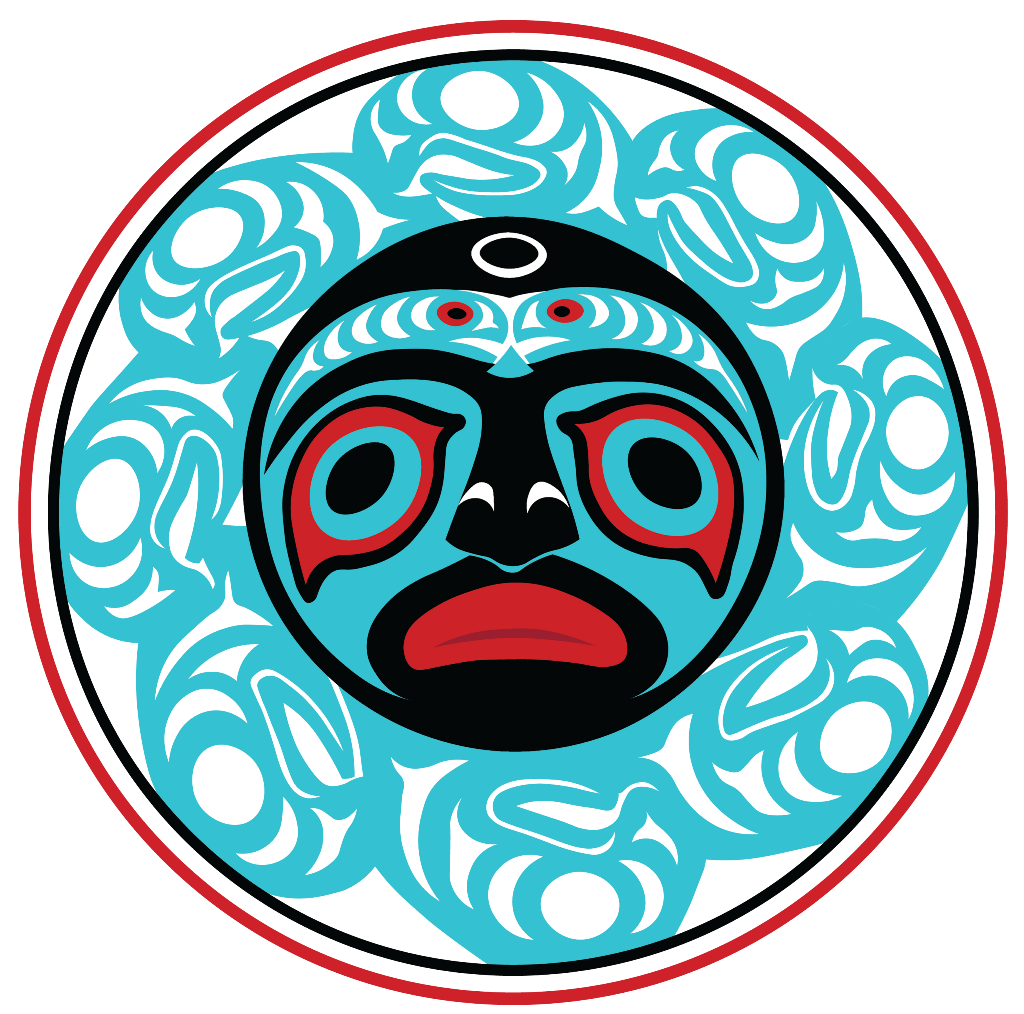
Spindle Whorl by the Late W. Joel Good
Historically used as a tool for spinning wool into yarn, the spindle whorl has become an iconic symbol for the Snuneymuxw.
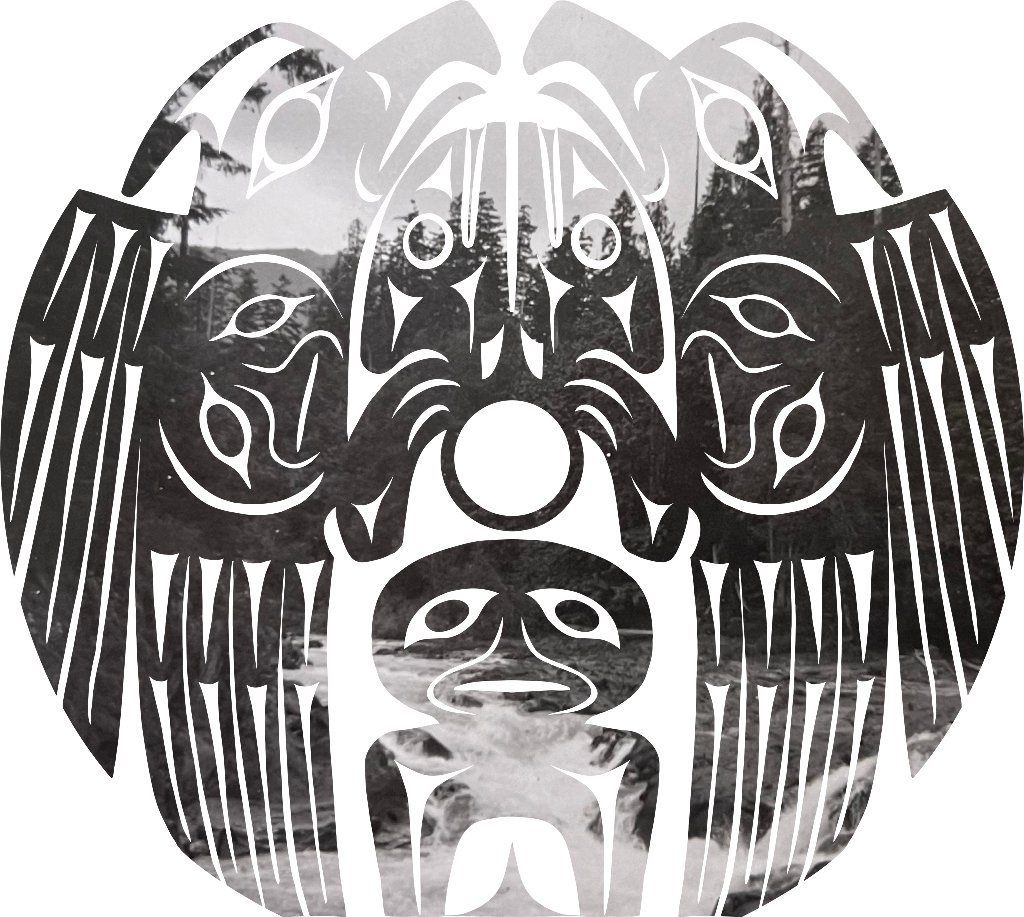
xwulmuxw (as in people and language rooted in place), Eliot White-Hill, Kwulasultun
This artwork interweaves an ancestral Snuneymuxw spindlewhorl design from a whorl that now sits in the British Museum collection in London with an archival photograph from the mid-island. I had the chance to spend time with this whorl last summer on a research trip, and while there I felt acutely aware of the distance at which it sits away from home. It felt like I may as well have been on another planet. Fortunately, this spindlewhorl is clearly identified as coming from Snuneymuxw, but archival practices and provenance data are not always so. The archival photograph overlayed with the design is actually of the Cowichan River. Many cultural belongings from the mid-island are mislabelled and there is uncertainty as to where they come from. But in the old days, we were one collective people. The national boundaries that exist today were drawn by colonial governments. Our ancestors knew each other as the next family or tribe down the way. This artwork seeks to reconnect and redraw boundaries as it resists the colonial definitions imposed by archive and historical gaze.
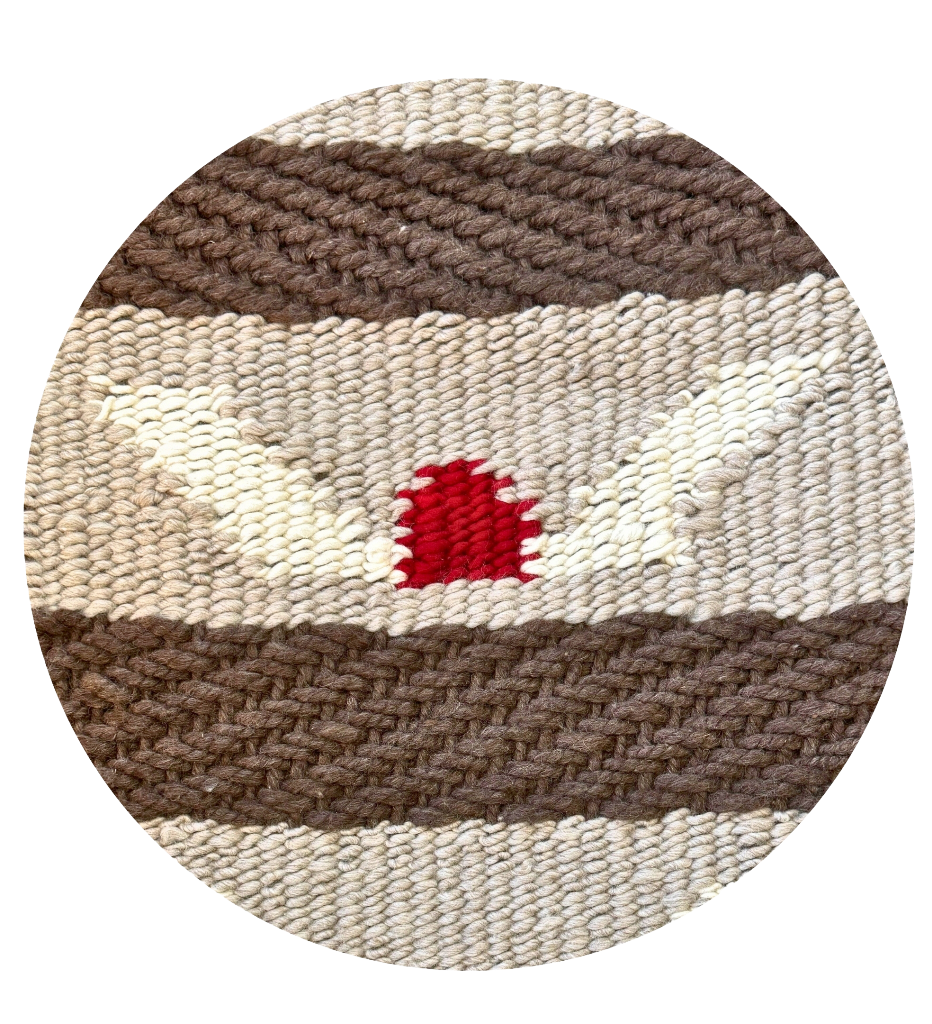
kwasilwit, Chenoa Point
I am honoured to carry the weaving teachings passed down through my family and community. I am deeply grateful to Aunty Stephanie Thomas and my late Auntie Margaret Louise for their patience, guidance, and generosity. I also acknowledge the Longhouse, where teachings are shared, relationships are strengthened, and responsibilities to one another are learned. The Longhouse continues to guide my practice, reminding me that weaving is a living teaching rooted in community, culture, and care. Through these teachings, I understand weaving as a lifelong journey. I feel truly blessed to continue the traditional teachings of our people and to walk in the Coast Salish ways with humility and respect.

Noel Brown
The bear seen in this design represents great strength and family values. This design can also be seen decorating one of the ice-resurfacers at the Nanaimo Ice Centre.
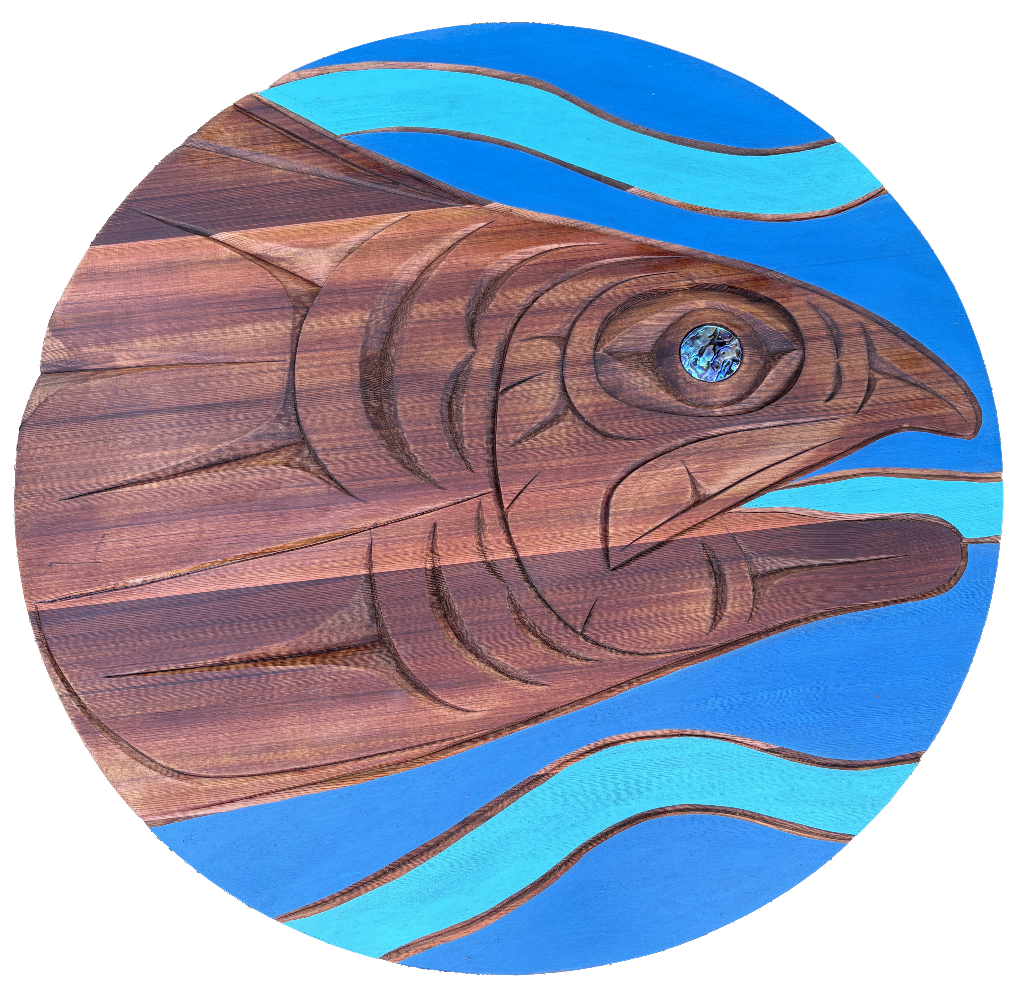
Ryan Hughes
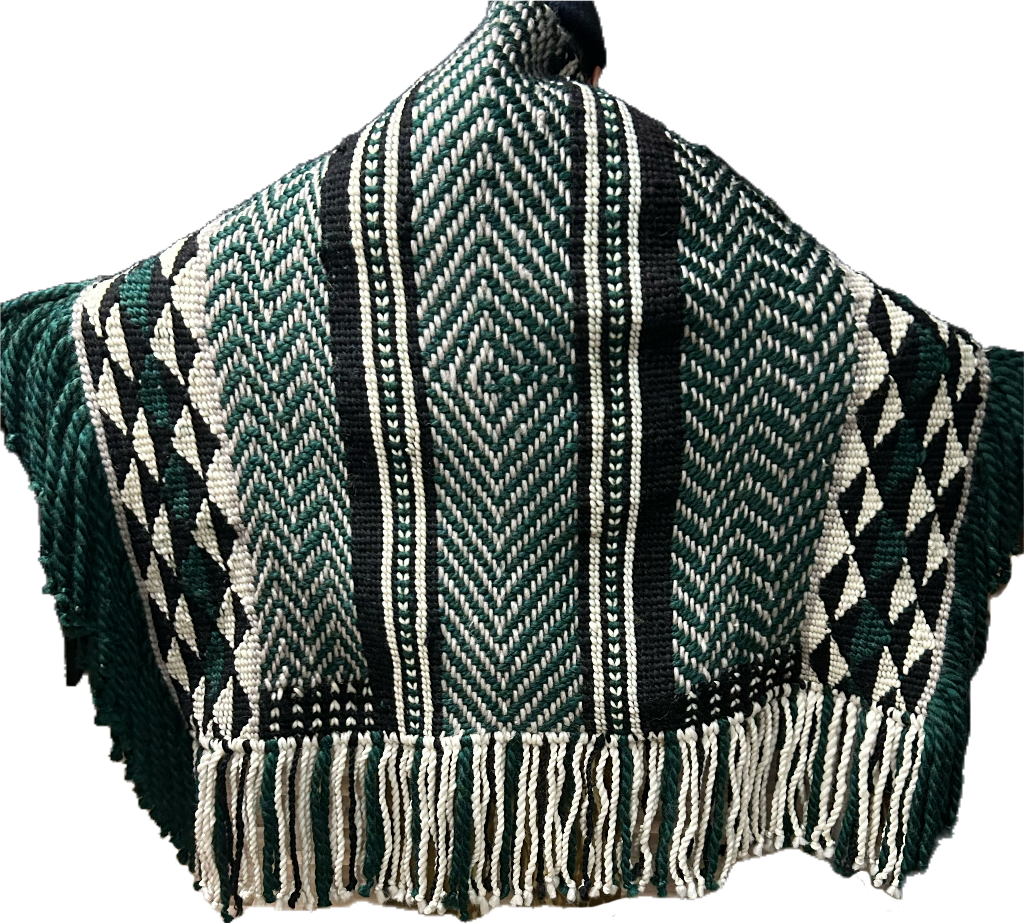
yutustana:t, Gena Seward-Wilson
Weaving is not just a skill — it is a way of life. It is a lifelong journey of learning, growing, and deepening my connection to the ancient textile practices of our Coast Salish people. Each time I sit at the loom, I feel the presence of those who wove before me, guiding my hands and shaping my heart.
For the past 15 years, I have sought every opportunity to advance my skills, attending workshops and learning under Master Weaver Sam Seward. Each lesson strengthens my foundation and draws me closer to the teachings that form the heart of our tradition.
My inheritance is both gift and responsibility. I walk with the legacy of my Great-Grandmother and Great-Great-Grandmother, whose weaving lives in my hands today. It is my duty — and my honour — to pass this knowledge to my children, nieces, nephews, and students. Awakening this gift within my family brings back the history, teachings, and values that anchor us as Coast Salish people.
As a language teacher, I understand that weaving, language, art, and culture are not separate — they walk together. Working with wool teaches me how to speak to the natural world and listen in return. This relationship opens a deeper way of learning, one that cannot be grasped through words alone.
There is an awakening that rises with every strand I lift and every design that reveals itself beneath my hands. Each thread carries a memory older than I am, older than any one generation. It is as if my ancestors are whispering through the fibers, guiding me back to the brilliance they carried with such grace.
In these moments, weaving becomes more than technique — it becomes ceremony. The patterns that emerge are not only mine; they belong to those who wove before me, those who trusted their hands, hearts, and the land. Their brilliance is alive in every curve, every rhythm, every story embedded in the wool. With each stitch, I feel myself being woven back into them — into their knowledge, their strength, their beauty. This is the deeper way of learning: through awakening, remembering, and honouring the pathways our ancestors left for us to walk again.
Weaving is my connection to who we were, who we are, and who we will become.
About the Artists:
The Late Dr. William Good (ts’usqinuxun) - Dr. William Good was a Hereditary Chief of the Snuneymuxw First Nation and a Master Coast Salish carver, storyteller, cultural historian, and visual artist whose life’s work continues to shape the future of Coast Salish art. Devoting decades to researching and revitalizing the nearly lost Snuneymuxw Coast Salish art form, he helped ensure that its visual language, teachings, and cultural depth would endure for generations to come.
His artistry spanned carving, painting, jewelry, garment design, and cultural education, with each medium becoming a vessel for preservation and renewal. Recognized with an Honorary Doctorate for his profound contributions, Dr. Good also collaborated closely with his family through Ay Lelum The Good House of Design, where his knowledge and creativity remain foundational to their work. His public artworks and cultural influence continue to be celebrated locally and far beyond, carrying his legacy forward with lasting strength and inspiration.
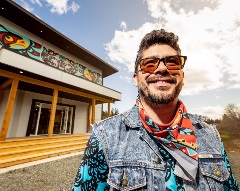
The late W. Joel Good (ts’usqinuxun) - Joel Good was a world‑renowned Traditional Coast Salish master carver and artist whose influence continues to shine through the work of his family and community. A pivotal figure in the Coast Salish Art Revitalization Movement, Joel helped shape a powerful resurgence of cultural expression, leaving an impact that continues to grow long after his passing.
Working alongside his father, the late Dr. William Good, his sisters Aunalee and Sophia, and his mother, Sandra Good, at Ay Lelum The Good House of Design, Joel contributed carvings, designs, and collaborations that appeared in major public art installations and on fashion stages - where tribute showcases continue to honour him today. His artistry carried forward Coast Salish traditions with extraordinary passion, precision, and cultural depth, ensuring that his creative spirit remains a guiding force for future generations.
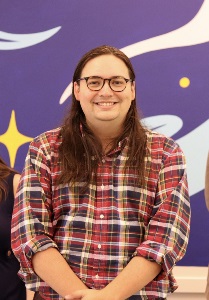
Eliot White-Hill, Kwulasultun - Eliot White-Hill, Kwulasultun (he/they) is an artist and storyteller from the Snuneymuxw First Nation in Nanaimo, BC. His family roots are in Penelakut and in Hupacasath in the Nuu-chah-nulth world. His interdisciplinary art practice is rooted in honouring and celebrating the stories and teachings passed down by his family, community, and culture. He works across a range of mediums, including digital art, printmaking, painting, sculpture, installation, creative writing, and curation. His work has been exhibited internationally across Canada, the United States, and England. He currently resides on the territories of the Musqueam, Squamish, and Tsleil-Waututh peoples.
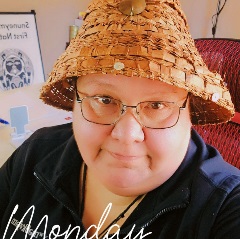
kwasilwit, Chenoa Point - My name is Kwasilwit, and my English name is Chenoa Point. My Great-Great-Grandparents are James Point (Musqueam) and Martha Bailey (Katzie). My Great-Grandparents are Leonard Point (Musqueam) and Matilda McLean (Duncan area), and my Grandparents are Spencer Point (Snuneymuxw) and Nina Sam (Uchucklesaht). My roots are Snuneymuxw and Musqueam, and I am Nuu-chah-nulth.
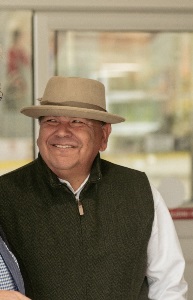
Noel Brown - Noel Brown is a renowned artist and a member of the Snuneymuxw First Nation. Brown began carving professionally in 1995 and received inspiration from James Lewis, a prominent Northwest Coast carver. His style has also been guided by the teachings of Richard Baker and Matthew Baker. His artwork is on display at prominent locations, including the Nanaimo Museum, Vancouver Island University and elsewhere in this park.
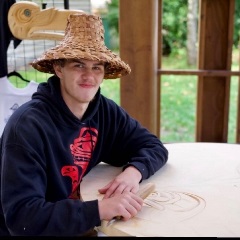
Ryan Hughes - Ryan Hughes is a rising Coast Salish artist from Snuneymuxw First Nation whose practice bridges wood carving, digital illustration, and painting. Based in Surrey, he first encountered carving in high school, later deepening his skills through mentorship with renowned artists Chris Sparrow and John Velton. Under their guidance, Hughes learned foundational Coast Salish design principles and digital techniques, shaping the multidisciplinary approach he carries today.
Hughes’ work is rooted in cultural reconnection. Through carving and digital art, he explores teachings, stories, and relationships that reflect his lived experience as an urban Indigenous youth. His mural About We Show Up for Each Other, created for the Downtown Eastside Youth Outreach Centre, highlights themes of transformation, community, and shared responsibility - values central to his artistic voice.
With a
growing following, Hughes continues to refine his craft, focusing on creating
meaningful work rather than production speed. He is committed to giving back
through art, supporting other youth, and helping foster culturally safe spaces.
Guided by patience, practice, and cultural learning, Hughes aims to one day
carve masks and continue expanding his role as a young Coast Salish artist.
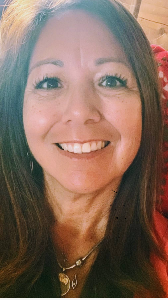
yutustana:t, Gena Seward-Wilson
Weaving is not just a skill — it is a way of life. It is a lifelong journey of learning, growing, and deepening my connection to the ancient textile practices of our Coast Salish people. Each time I sit at the loom, I feel the presence of those who wove before me, guiding my hands and shaping my heart.
For the past 15 years, I have sought every opportunity to advance my skills, attending workshops and learning under Master Weaver Sam Seward. Each lesson strengthens my foundation and draws me closer to the teachings that form the heart of our tradition.
My inheritance is both gift and responsibility. I walk with the legacy of my Great-Grandmother and Great-Great-Grandmother, whose weaving lives in my hands today. It is my duty — and my honour — to pass this knowledge to my children, nieces, nephews, and students. Awakening this gift within my family brings back the history, teachings, and values that anchor us as Coast Salish people.
As a language teacher, I understand that weaving, language, art, and culture are not separate — they walk together. Working with wool teaches me how to speak to the natural world and listen in return. This relationship opens a deeper way of learning, one that cannot be grasped through words alone.
There is an awakening that rises with every strand I lift and every design that reveals itself beneath my hands. Each thread carries a memory older than I am, older than any one generation. It is as if my ancestors are whispering through the fibers, guiding me back to the brilliance they carried with such grace.
In these moments, weaving becomes more than technique — it becomes ceremony. The patterns that emerge are not only mine; they belong to those who wove before me, those who trusted their hands, hearts, and the land. Their brilliance is alive in every curve, every rhythm, every story embedded in the wool. With each stitch, I feel myself being woven back into them — into their knowledge, their strength, their beauty. This is the deeper way of learning: through awakening, remembering, and honouring the pathways our ancestors left for us to walk again.
Weaving is my connection to who we were, who we are, and who we will become.
Last updated: March 3, 2026
Give feedback on accessibility. Submit your feedback through our online accessibility feedback form. Help us understand barriers people face when accessing City services.
You can attach files to help explain the barrier you faced in the form, like: a video, voice recording or photos. If American Sign Language (ASL) is the best way for you to communicate, upload a video of yourself using ASL into the form.
Please include: what you were trying to access, where the barrier happened, what the barrier was and any recommendations you might have.
Help us improve our website
Freedom of Information and Protection of Privacy Act Statement:
Information collected on this form is done so under the general authority of the Community Charter and Freedom of Information and Privacy Protection Act (FOIPPA), and is protected in accordance with FOIPPA. Personal information will only be used by authorized staff to fulfill the purpose for which it was originally collected, or for a use consistent with that purpose.
For further information regarding the collection, use, or disclosure of personal information, please contact the Legislative Services Office at 250-755-4405 or at foi@nanaimo.ca